
Asbestos & Contamination
Safe removal startswith the right approach.
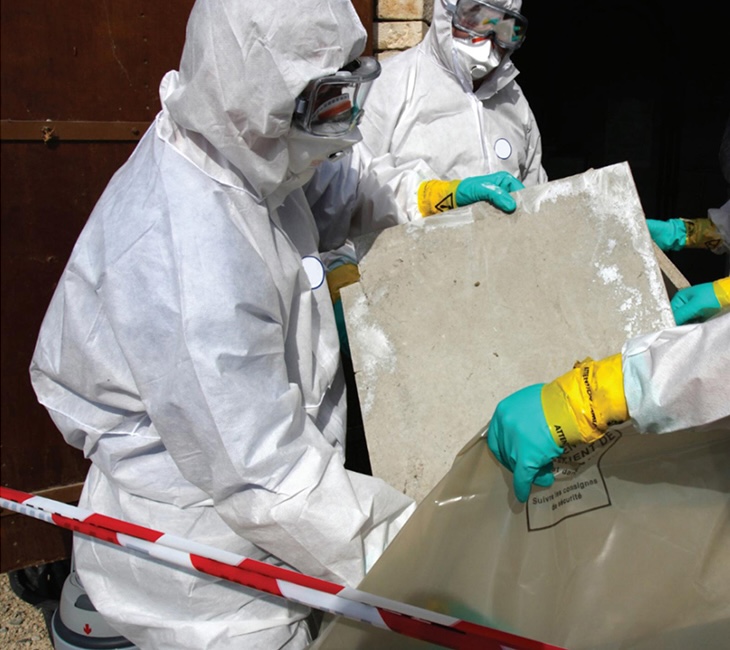
Established in 2018, SLINE delivers specialist asbestos contamination remediation and hazardous material management. The company holds capability for both Class A & B asbestos removal, allowing a broad range of asbestos-related work to be considered according to the material, site conditions and overall project scope.
Asbestos work rarely exists in isolation. It may be identified during renovation, ahead of demolition, within damaged buildings, in contaminated ground or as one part of a larger redevelopment programme. SLINE therefore considers asbestos remediation in the context of the wider site rather than simply treating removal as an isolated task.
Alongside asbestos and contamination work, SLINE also operates across demolition, earthworks and civil delivery. Where a project requires several stages of work, this provides the ability to coordinate more of the site programme through one wider project team.
2018
Established
Class A & B
Asbestos Removal
NZ
Nationwide Capability
Understanding Asbestos
Why asbestos needscareful management.
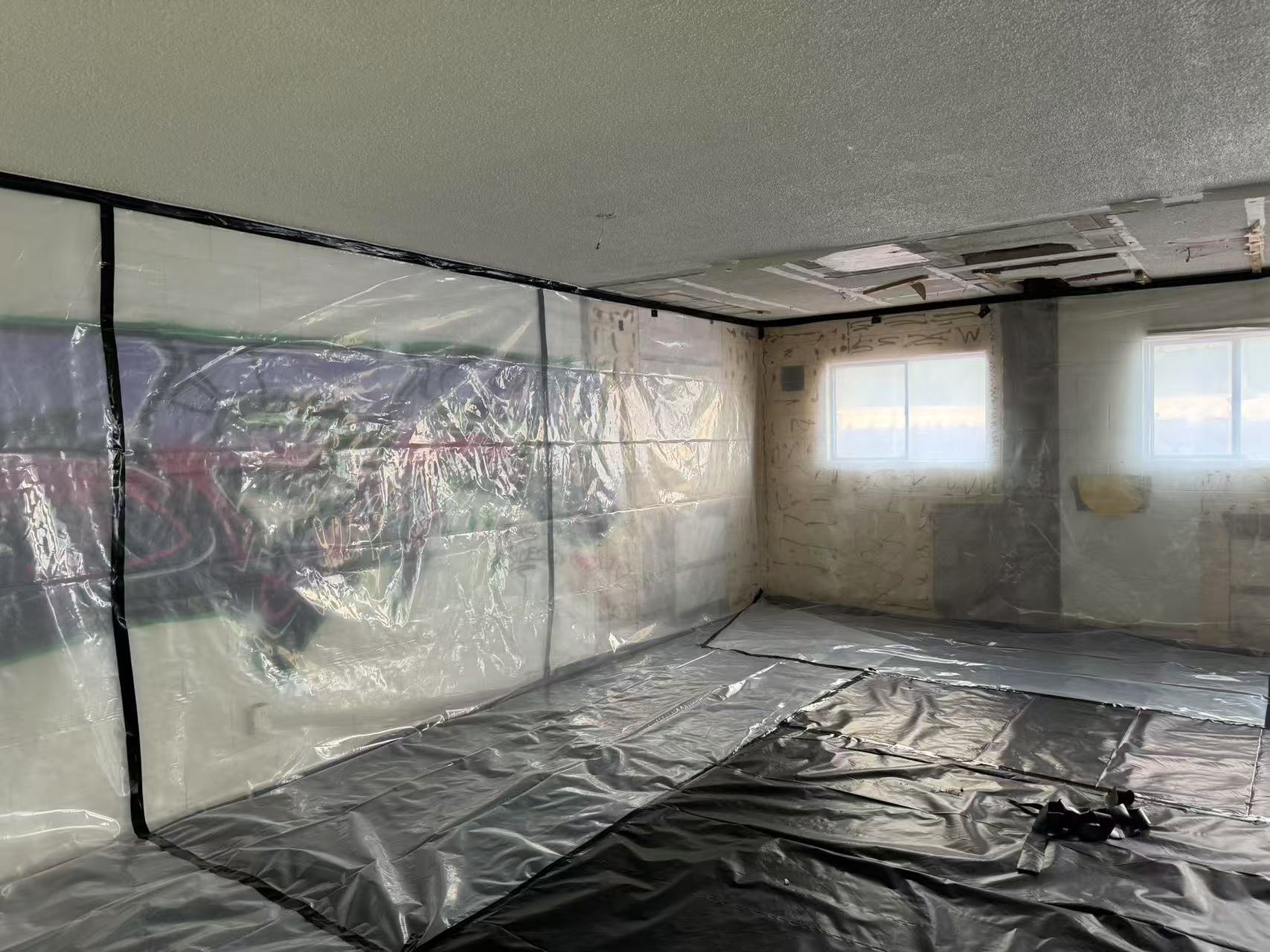
Asbestos is a naturally occurring mineral made up of extremely small fibres. It was historically used in a wide range of construction products because of properties such as heat resistance, fire resistance, durability and insulation. As a result, asbestos-containing materials can still be encountered in older buildings and structures throughout New Zealand.
The presence of asbestos does not necessarily mean that fibres are constantly being released into the air. The condition of the material and how it is treated are important. A material that remains intact and undisturbed presents a different situation from one being cut, drilled, broken, sanded, demolished or heavily weathered.
When asbestos-containing material is disturbed, very small fibres can be released into the surrounding air. These fibres cannot normally be seen with the naked eye, meaning there can be an exposure risk even when there is no obvious cloud of visible dust.
If airborne fibres are inhaled, some can remain within the lungs. Exposure is associated with serious asbestos-related diseases including mesothelioma, lung cancer and asbestosis. These illnesses may develop many years after exposure, which is why preventing unnecessary disturbance is important.
Renovation and demolition work create particular reasons to consider asbestos early. Drilling through wall linings, removing old cladding, cutting building products, lifting flooring or dismantling structures may disturb material that was previously enclosed or left untouched.
The fibres can be invisible
Airborne asbestos fibres can be present without visible dust. It is also not always possible to determine whether a building product contains asbestos simply by looking at it.
Disturbance changes the risk
Cutting, drilling, breaking, sanding, grinding and demolition can turn an otherwise intact material into a source of airborne fibres. The planned activity is therefore an important part of assessing how work should proceed.
Health effects can appear much later
Asbestos-related disease can develop long after the original exposure. Careful identification, planning and controlled removal are intended to reduce unnecessary exposure before wider construction work begins.
If material is suspected of containing asbestos, avoid unnecessarily cutting, drilling, sanding, breaking or removing it until the material and proposed work have been appropriately assessed.
Class A & Class B
Different materials.Different controls.
Asbestos-containing materials are commonly divided into friable and non-friable categories. This distinction matters because the likelihood of fibres being released, and therefore the controls required around the work, can be very different.
Friable asbestos is material that can be crumbled or reduced to powder more easily when dry. Because the fibres can be released more readily when this material is disturbed, this type of removal is generally associated with Class A asbestos work.
Non-friable asbestos has asbestos fibres bonded within another material. Common examples can include cement-based products and other composite building materials. Although fibres are more tightly bound, cutting, breaking, deterioration or inappropriate handling can still create an exposure risk.
For that reason, determining an appropriate approach involves more than simply knowing that asbestos is present. The material type, condition, surrounding environment, proposed method of removal and activities occurring around the site all form part of planning the work.
What We Do
Asbestos andcontamination solutions.
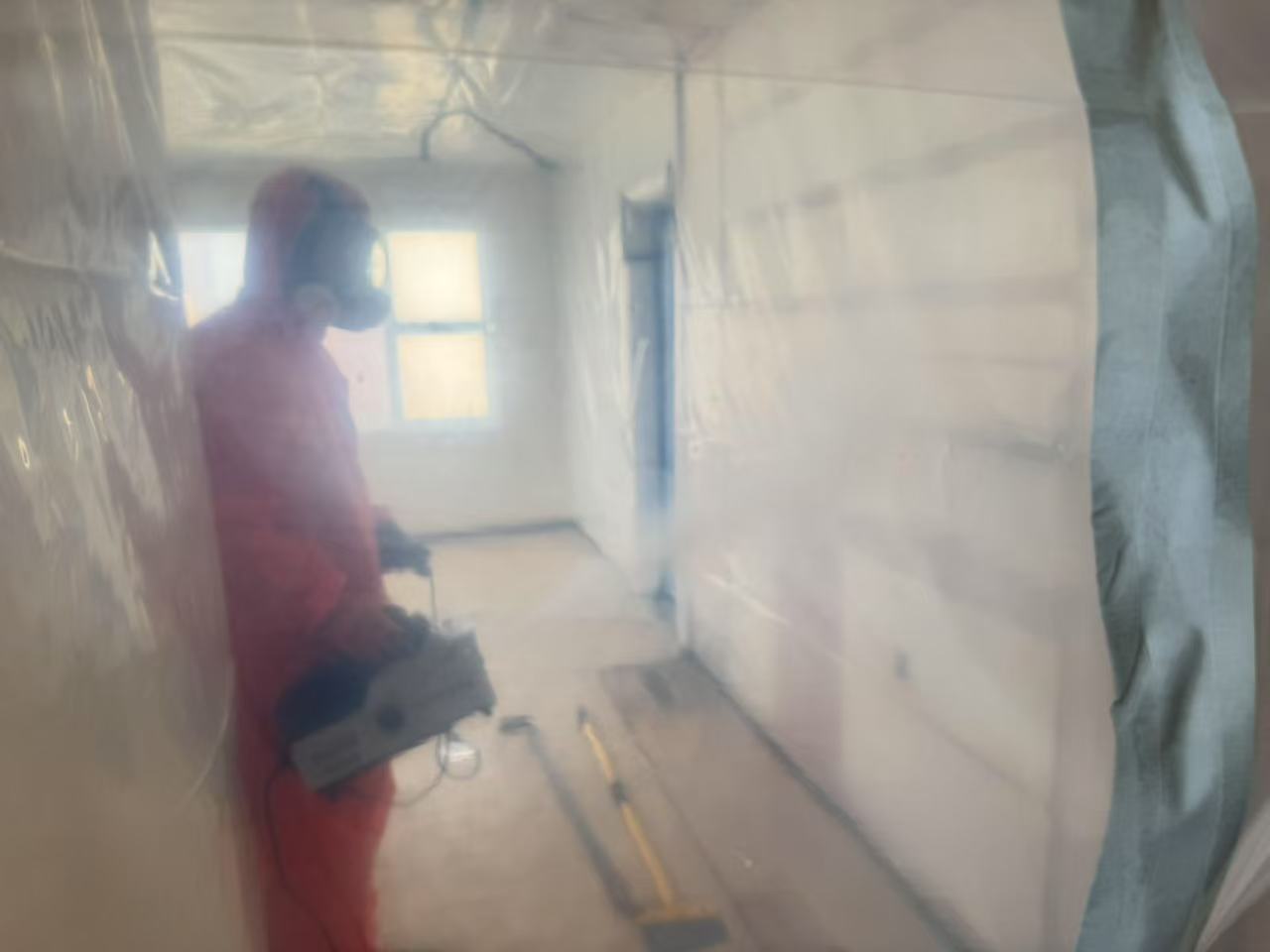
SLINE's work extends beyond standard asbestos removal. The company's contamination capability includes contaminated soil remediation, methamphetamine decontamination and specialist work associated with fire-damaged properties.
This broader capability is particularly useful where a site contains more than one issue or where remediation needs to be completed before demolition, earthworks or redevelopment can begin.
Rather than treating each part of the site independently, SLINE can consider the contamination work alongside the programme that follows. This helps maintain a clearer transition between remediation and later stages of the project.
Class A Asbestos Removal
SLINE provides Class A asbestos removal capability for work involving friable asbestos and other situations requiring the higher level of control associated with this category of material. Planning considers the removal area, surrounding site conditions and activities taking place nearby.
Class B Asbestos Removal
Class B capability supports the removal of non-friable asbestos-containing materials. Although fibres are bonded within another material, controlled removal remains important where products are being dismantled, broken or otherwise disturbed.
Contaminated Soil Remediation
Asbestos and other contaminants may also be encountered within soil. SLINE provides contaminated soil remediation and can coordinate this work alongside excavation, earthworks and subsequent civil activity where required by the wider project.
Meth Decontamination & Cleaning
SLINE's contamination services include methamphetamine decontamination and cleaning, extending the company's remediation capability beyond asbestos-containing building materials.
Fire-Damaged Property Cleanup
Fire-damaged environments can combine damaged building materials, debris and hazardous contaminants. SLINE provides cleanup and restoration support and can connect remediation work with demolition and subsequent site preparation where required.
Experience Across New Zealand
Professional delivery acrossdifferent environments.
SLINE's company materials identify experience working with local city councils, the Ministry of Education and District Councils, alongside work in residential, commercial and industrial environments.
These projects can involve very different operational requirements. Work around schools and public facilities may need careful consideration of access and surrounding users, while commercial and industrial environments may involve programme constraints, neighbouring activities and coordination with other contractors.
Residential projects can present a different set of practical challenges again, particularly when asbestos is encountered during renovation, demolition or redevelopment. In each case, the objective is to plan the contamination work around the realities of the site rather than apply the same arrangement to every project.
Across these environments, SLINE's focus is on safe, efficient and compliant delivery while keeping remediation connected with the wider project programme.
Integrated Delivery
Removal may only bethe first step.
Completing asbestos or contamination remediation does not necessarily complete the project. Buildings may still need to be demolished, foundations removed, ground excavated, drainage installed or sites prepared for their next use.
Because SLINE also provides demolition management, earthworks and civil capability, those later activities can be considered when the remediation scope is being planned. This creates an opportunity to coordinate access, sequencing and handover between different stages of the same site.
Where appropriate, SLINE can therefore support a project from asbestos and contamination remediation through to demolition, site clearance, earthworks and civil delivery.
Project Capability
Asbestos→Demolition→Earthworks→Civil